
From the Dolomites to the lagoon in three hours of driving
Almost five million people, seven provinces and eight Unesco sites.
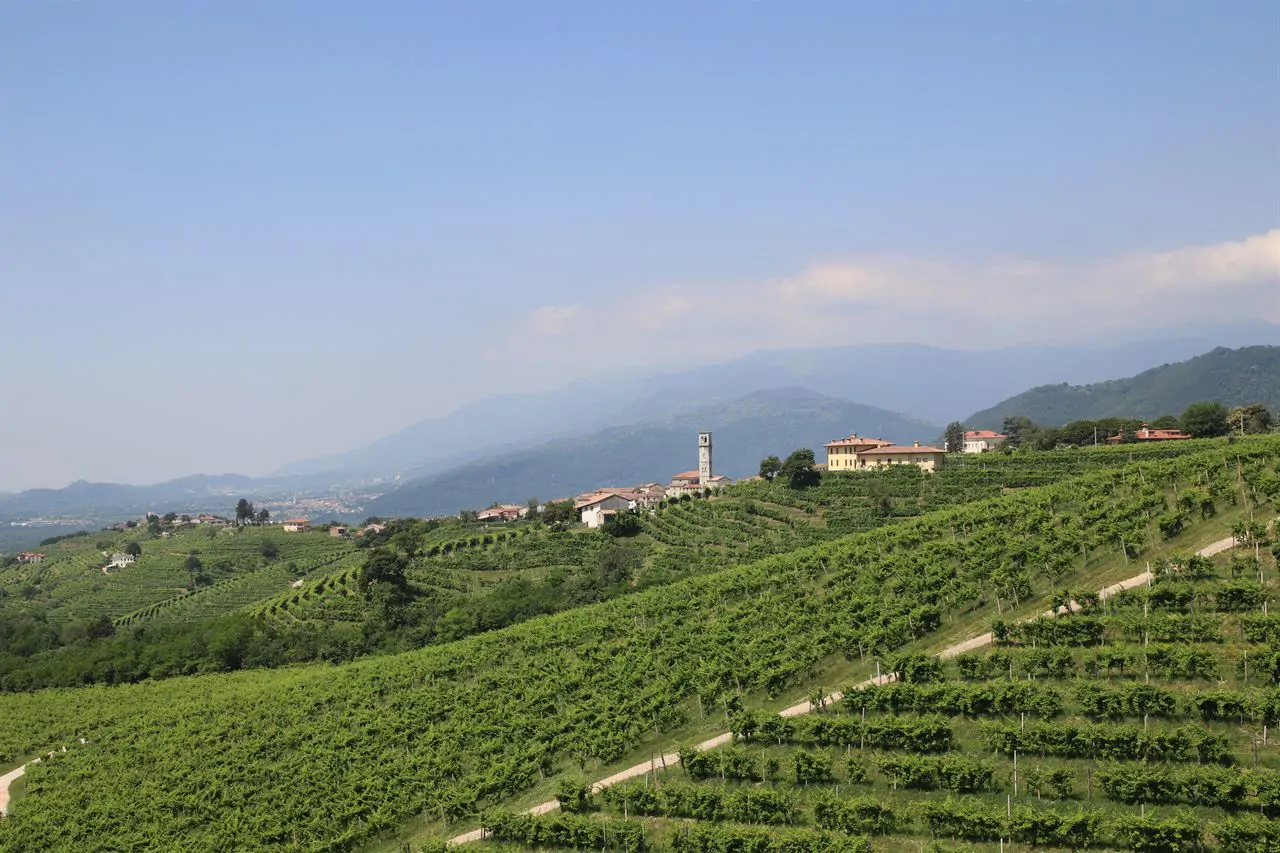
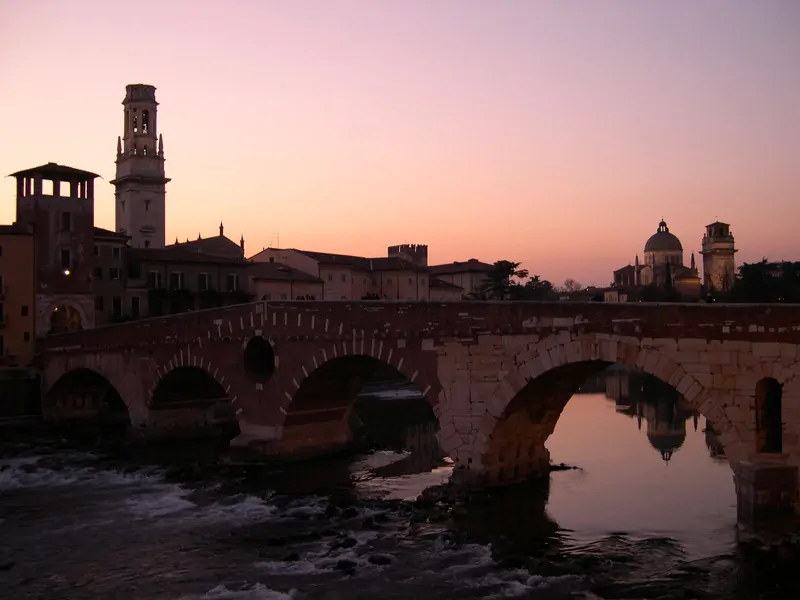
The Veneto is the Italian region that receives the most visitors, and the reason is that it holds very different things close together: a city built on water, a Roman amphitheatre where opera is staged, the mountains that gave their name to a kind of rock, a plain full of villas, and two shorelines, the Adriatic and the lake.
How it is put together
Half the territory is plain and runs down to the sea without a step; to the north rise first the Prealps, with the plateaus of Asiago and the Lessinia, and then the Belluno Dolomites; to the west lies the Veronese shore of Lake Garda, with Monte Baldo behind it. Between the plain and the sea sits the lagoon, which is neither one nor the other.
Where the campsites are
The Venetian coast, from Cavallino-Treporti to Caorle by way of Jesolo and Eraclea, has the highest concentration of campsites in Europe: they are large, with pine woods, private beach and pools, and many have their own jetty or a vaporetto stop for Venice. The Garda shore between Peschiera and Malcesine is the second area; the rest is split between Rosolina, Sottomarina and the mountains.
Venice is a fish. Look at it on a map.
Tiziano Scarpa, Venice is a Fish, 2000
How to plan it
From the Venetian coast Venice is half an hour by vaporetto from Punta Sabbioni, Treviso an hour, Padua an hour and a quarter, Verona two hours. From Garda it is half an hour to Verona, an hour to Vicenza, an hour and three quarters to Venice. The two camping areas are far apart, and it is best to choose one.
July and August on the coast are packed and must be booked well ahead; June and September give the same sea with fewer people. The art cities in August are hot and humid, and are better visited in spring and autumn.