
Polenta, salt cod and a region that makes more wine than any other
A cooking of the land and a cooking of the lagoon, and they are nothing alike.
Two different cuisines are eaten in the Veneto. The one of the land is made of polenta, rice, pulses and pork, and comes from the farming plain; the one of the lagoon is made of fish, vinegar and raisins, and comes from Venice's trade with the east. They meet around Chioggia and on the lower Piave.
The fish and the lagoon
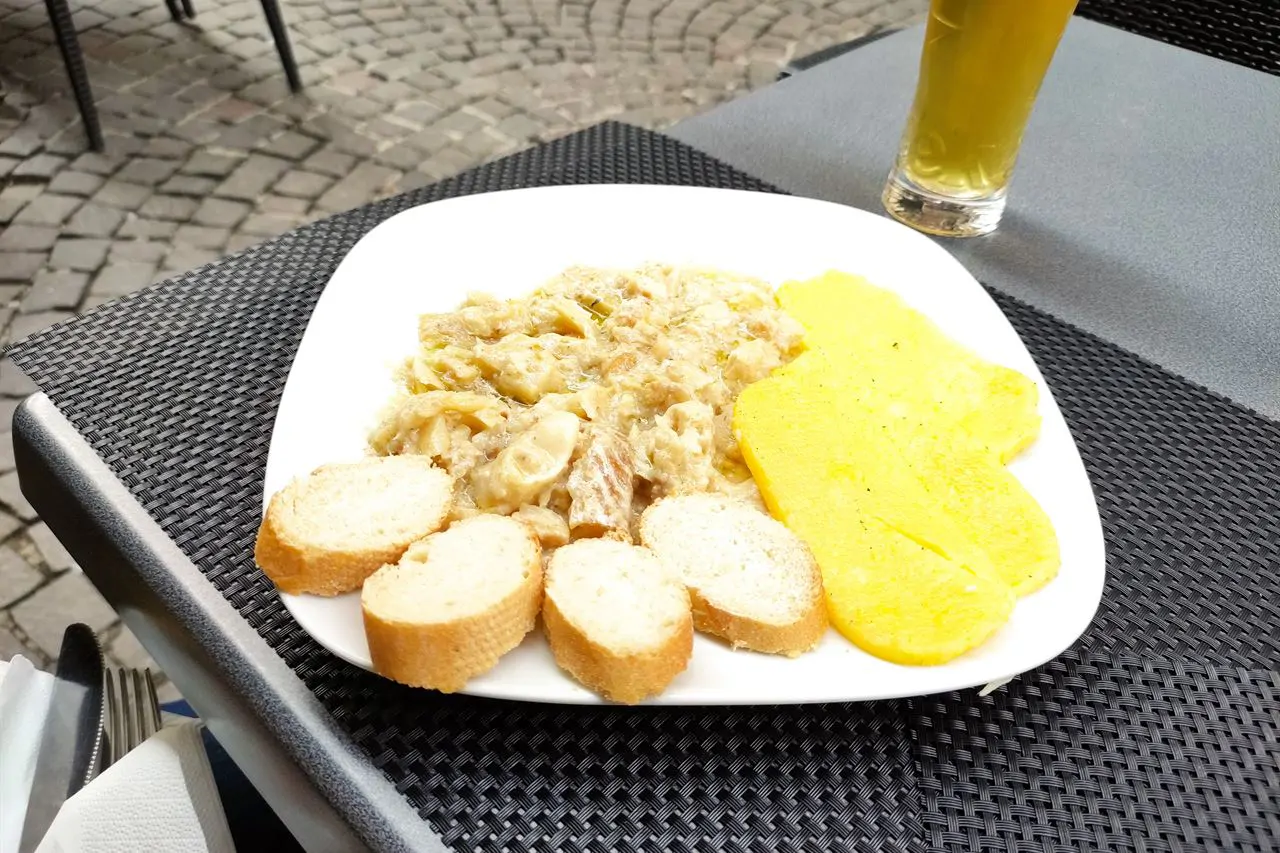
Sarde in saor are fried sardines marinated with onion, vinegar, pine nuts and raisins: born as a way of keeping fish on board ship, they are now the most Venetian starter there is. Then there is baccala mantecato, spread on toast or on white polenta, the moleche, that is crabs caught while changing their shell, and risotto di go, made with the lagoon goby.
The land
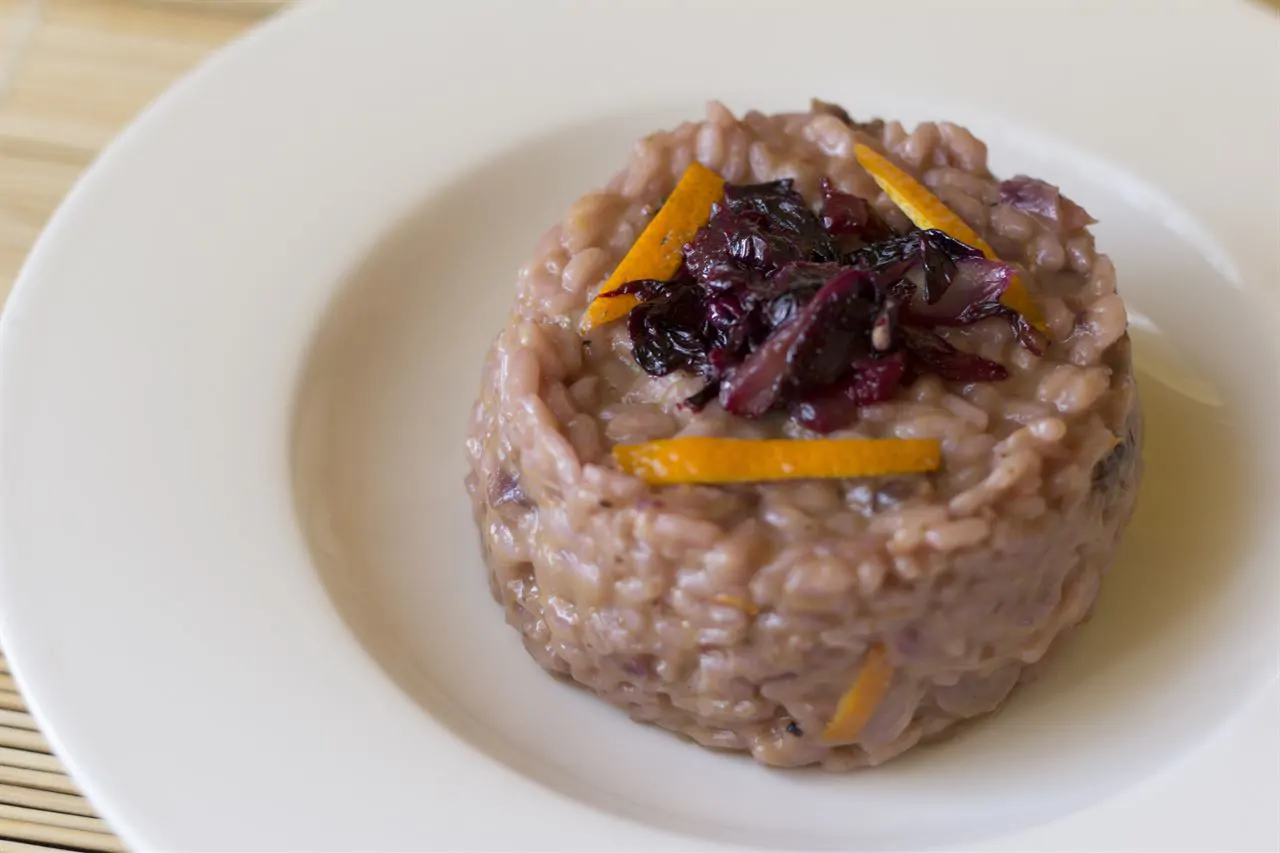
Baccala alla vicentina, which is made with stockfish and not with salt cod, cooks for hours with milk, onion and anchovies and is served with polenta. Bigoli in salsa are thick spaghetti with onion and anchovy. And then risi e bisi, calf's liver Venetian style, pasta e fasioi, sopressa, and in autumn the red radicchio of Treviso, eaten grilled, in risotto and raw.
The vegetables and the puddings
The white asparagus of Bassano has the Dop and is eaten with crushed hard boiled egg; Vialone Nano rice from the Verona plain is the risotto rice; the radicchio of Treviso and that of Chioggia have the Igp. Among the cheeses are Asiago and Monte Veronese. The most famous pudding is tiramisu, which Treviso claims as its own and which is less than sixty years old.
To drink
The Veneto produces more wine than any other Italian region. Prosecco comes from the hills between Conegliano and Valdobbiadene, a Unesco site since 2019; Amarone della Valpolicella is made from grapes dried for months on racks and is a powerful red; Soave is the white of the volcanic hills east of Verona, Bardolino the light red of the Garda shore.