
Venice and the lagoon
A hundred and eighteen islands held together by four hundred bridges.
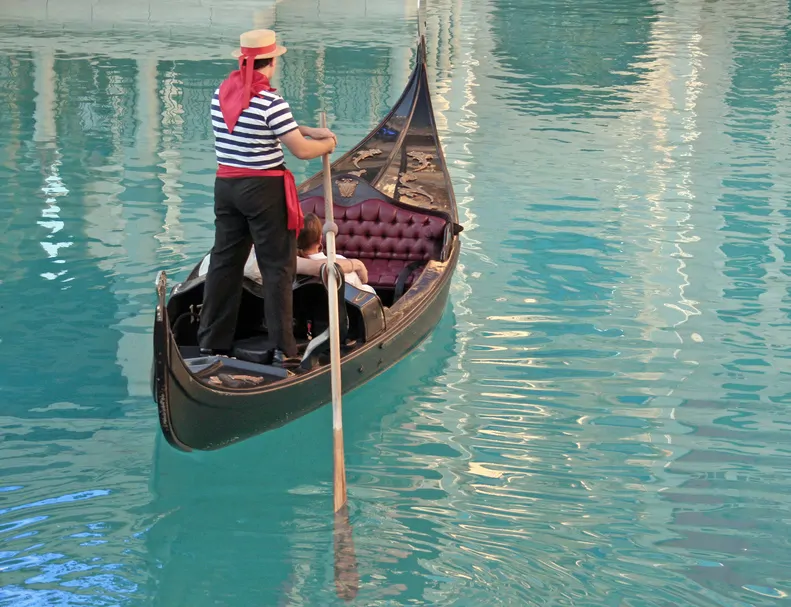
Venice is built on an archipelago of a hundred and eighteen small islands inside a lagoon, on wooden piles driven into the mud: it is not a sea city but a brackish water city, and you can feel the difference. The canals are the streets, the Grand Canal is the main avenue, and the four hundred bridges exist so that you can walk from one island to the next.
In a day you can see Piazza San Marco with the basilica and the Doge's Palace, the Rialto bridge and the fish market, and a few quarters off the group route, which is where the city really shows itself: Cannaregio, Castello, Dorsoduro. The queues are avoided by booking online and going early in the morning.
The islands
From the Fondamente Nove the vaporetti leave for Murano, where glass has been blown since the thirteenth century, for Burano, with its painted houses and its lace, and for Torcello, which was the first city of the lagoon and today has fifty inhabitants, a seventh century cathedral and its mosaics. The tour of the three islands takes a whole day.
How to get there from the campsite
From the Cavallino campsites you take the vaporetto at Punta Sabbioni, at the end of the peninsula: thirty-five minutes to San Marco, with frequent sailings in the evening as well. From the Jesolo and Caorle campsites you first drive or take a bus to Punta Sabbioni or Treporti. In Venice a car is useless and cannot enter.
On some days of the year those who enter the city for the day only pay an access fee, with hours and a calendar that change from year to year: check before setting off. The high water rises in autumn and winter, but since 2020 the Mose gates keep it out when needed.