
A carnival, a regatta and opera in a Roman amphitheatre
The festivals here are big, and nearly all of them are watched from the water or from a tier of seats.
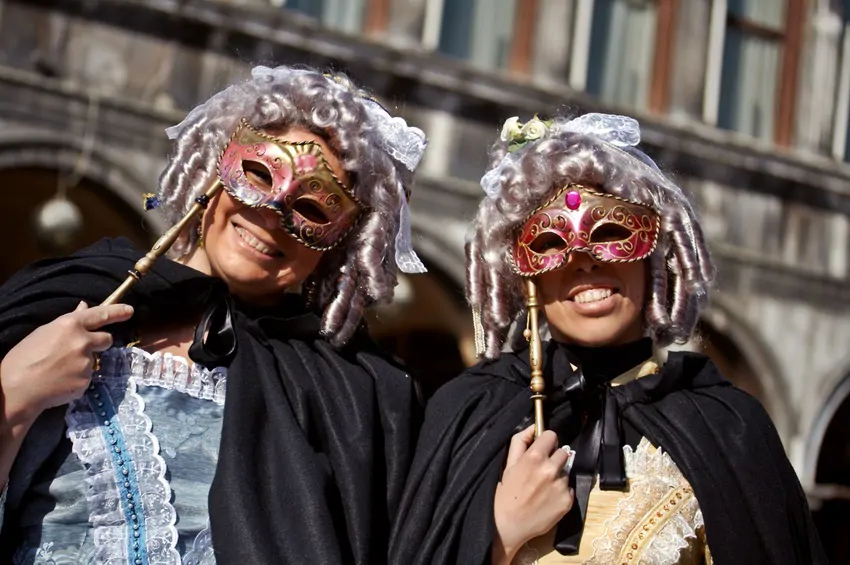
The Veneto has festivals that come down from the Republic of Venice and festivals invented in the twentieth century, and both fill the cities. The first are watched from the water, the second from a folding chair; in either case it is worth booking.
The Venice carnival
It lasts two weeks and ends on Shrove Tuesday: masks, water processions and the flight of the angel, who descends from the campanile of San Marco onto the square. In its present form it was revived in 1979, but the masks and the bautte are those of the eighteenth century, when the carnival ran for months. In those days the city is as full as in August.
The regattas
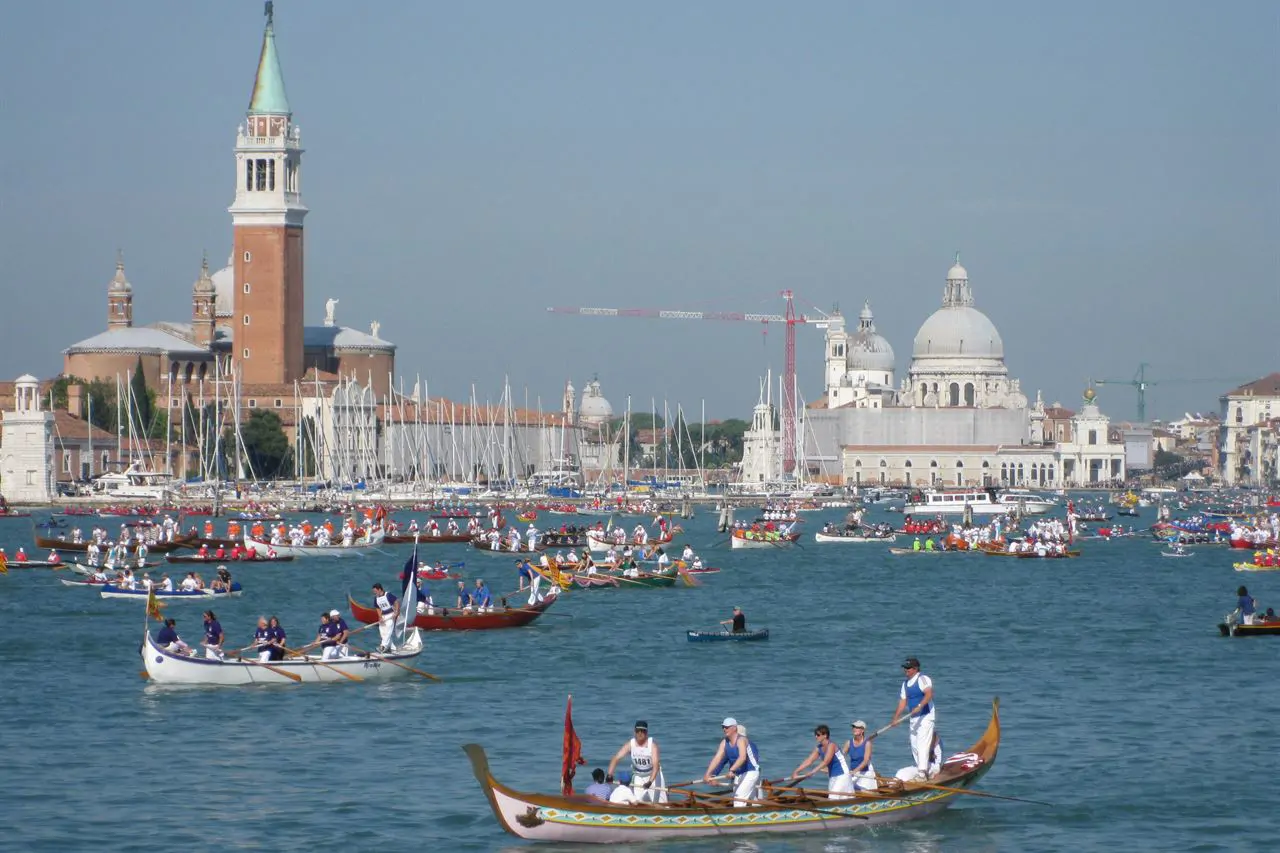
The Regata Storica is rowed on the first Sunday of September along the Grand Canal: first the procession of sixteenth century boats, then the real races, best seen from the banks or from a boat. The Vogalonga, in May, is not a race but a thirty kilometre crossing of the lagoon under oar, open to anyone with an engineless boat, and thousands take part.
The Arena and the rest
The opera festival of the Verona Arena has been held from June to September since 1913, in a first century Roman amphitheatre that still seats twenty-two thousand: performances begin at nine in the evening, and the stone tier seats are cheap but uncomfortable. At Marostica, in even years, the chess game with living pieces is played on the square.
Summer and the village fairs
The Redentore, on the third Sunday of July, is the night of fireworks over the basin of San Marco, with the pontoon bridge to the Giudecca; in autumn the fairs of radicchio, wine and chestnuts fill the villages. On the coast the campsites keep their own calendar of evenings, and in the Dolomites the high pasture festivals are held.